


Oh, you are going to LOVE this! Have you ever tasted something so perfectly crispy on the outside and wonderfully juicy on the inside that it just makes you close your eyes and smile? That’s exactly what this traditional schnitzel recipe is all about. It’s a classic German main dish that’s surprisingly simple to make right in your own kitchen, bringing that cozy, comforting vibe we talk so much about here at Recipes To Keep. Like my grandmother Eleanor’s famous recipes, this schnitzel feels like a special occasion but is totally doable on any night. Trust me, this is one of those dishes you’ll want to keep forever.
- Why You'll Love This Traditional Schnitzel Recipe
- Ingredients for the Perfect Schnitzel
- How to Prepare Schnitzel: Step-by-Step Guide
- Tips for the Crispiest Schnitzel Every Time
- Pork vs. Chicken Schnitzel: Making Your Choice
- Serving Suggestions for Your German Main Dish
- Frequently Asked Questions About Schnitzel
- Estimated Nutritional Information
Why You’ll Love This Traditional Schnitzel Recipe
Seriously, this schnitzel recipe is a winner!
- It’ssuper easy to whip up, even on a busy weeknight.
- You get that perfectly golden, crispy coating every single time.
- The pork stays incredibly juicy inside – no dry bites here!
- It’s a classic German dish that feels fancy but is totally approachable.
Ingredients for the Perfect Schnitzel
Alright, here’s what you’ll need to make your schnitzel dreams come true! Don’t worry, these are all pretty standard kitchen staples.
- 2 boneless pork loin chops, about 1/2 inch thick
- 1/2 cup all-purpose flour
- 1 teaspoon salt
- 1/2 teaspoon black pepper
- 2 large eggs
- 1 cup plain breadcrumbs
- 4 tablespoons vegetable oil, divided
- Lemon wedges, for serving
How to Prepare Schnitzel: Step-by-Step Guide
Okay, let’s get this schnitzel party started! This is where the magic really happens, and trust me, it’s way simpler than you might think. We’re going to move through this step-by-step, and before you know it, you’ll have beautiful, golden-brown schnitzel ready to devour. It’s all about a few key techniques – like pounding the meat nice and thin and getting that breading just right. This recipe is a classic for a reason, and once you nail it, you’ll totally see why it’s a favorite German main dish. Check out more mains here!
Pounding and Preparing the Meat for Schnitzel
First things first, we need to get our pork chops nice and thin. This is super important for two reasons: it helps them cook super quickly and makes them wonderfully tender. Grab your pork chops and lay them flat. Now, here’s my little trick: put a piece of plastic wrap over the chop, maybe even another piece on top if you’re feeling fancy. Then, using the flat side of a meat mallet or even a rolling pin (just make sure it’s clean!), gently but firmly pound the meat until it’s about a quarter-inch thick. You’re not trying to obliterate it, just get it nice and uniformly thin. This helps the schnitzel cook fast and evenly, so it gets that perfect crisp without drying out.
Setting Up Your Breading Station for Schnitzel
Now for the fun part – the breading! This is where we build all that delicious crunch. You’ll want three shallowdishes ready to go. In the first one, mix your flour with the salt and pepper. This is our first layer. In the second dish, whisk up those eggs really well. This is our sticky glue! And in the third dish, have your breadcrumbs all spread out. Now, take your pounded pork chop, give it a good dredge in the flour mixture, making sure it’s coated all over and then gently shake off any extra flour. Next, dip that floured chop right into the egg wash, letting any excess drip off. Finally, press it firmly into the breadcrumbs, coating both sides really well. A little press helps those crumbs stick like they mean it!
Frying Your Schnitzel to Golden Perfection
Okay, this is it! Get a large skillet heating over medium-high heat. You’ll want about 2 tablespoons of vegetable oil in there. How do you know if it’s hot enough? Pop a stray breadcrumb in – if it sizzles right away, you’re good to go! Carefully lay one or two of your breaded schnitzel cutlets into the hot oil. Don’t crowd the pan; seriously, this is important! If you cram too many in, the oil temperature will drop, and you’ll end up with greasy, soggy schnitzel instead of crispy perfection. Fry them for about 2-3 minutes per side. You’re looking for a gorgeous golden-brown color. Once they’re looking perfect, carefully lift them out and place them on a wire rack. This lets them drain and keeps that delicious crispy coating from getting soggy against a plate. Add the rest of the oil if needed and repeat with your remaining schnitzel. You can find more tips for perfect frying at how to fry schnitzel.
Tips for the Crispiest Schnitzel Every Time
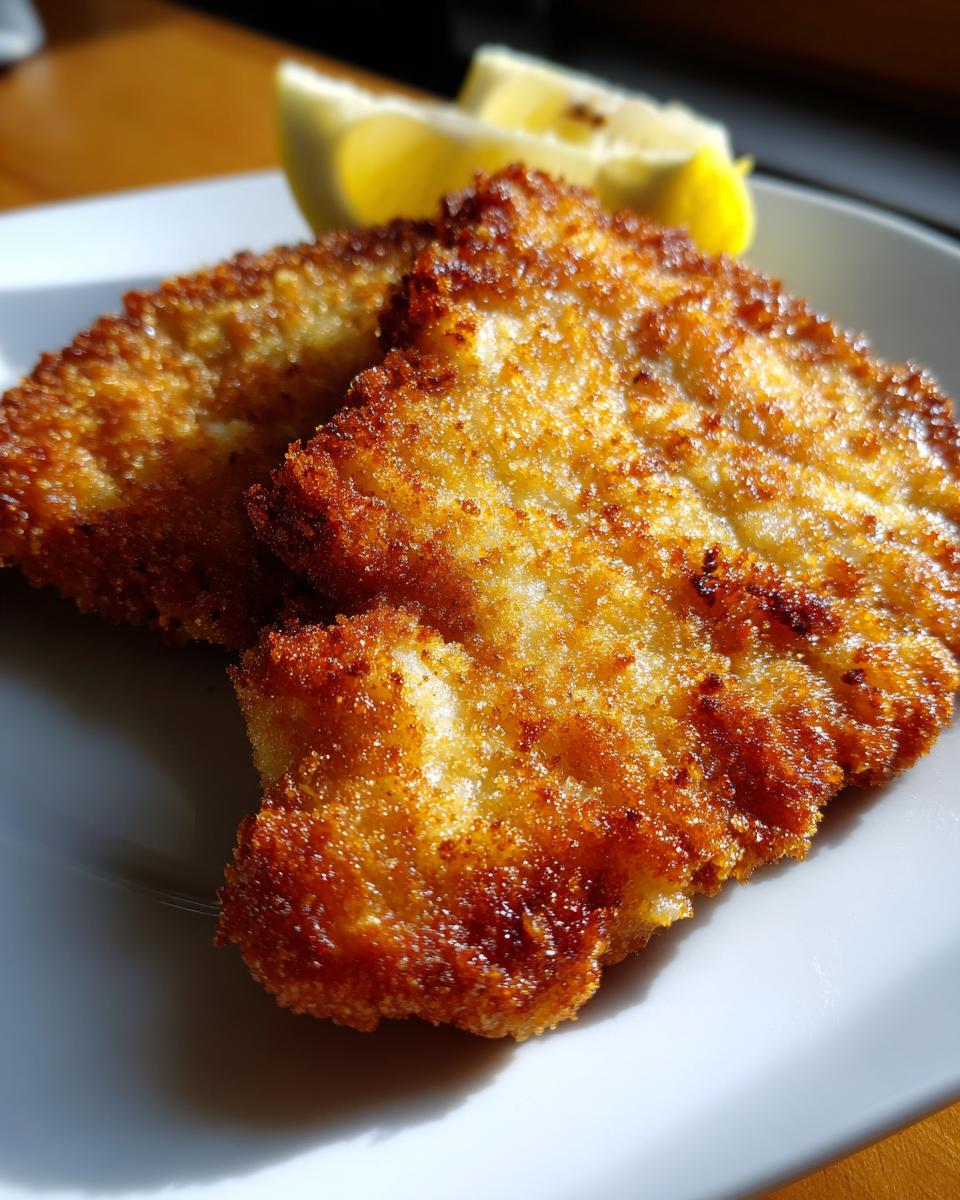
Getting that perfect, shatteringly crisp schnitzel is totally achievable, and it really comes down to a few simple tricks I’ve picked up over the years. First off, that oil temperature is crucial! Make sure it’s nice and hot before you even think about adding your breaded cutlets. If you drop a breadcrumb in and it sizzles immediately, you’re golden. For extra insurance against sogginess, always, *always* drain your cooked schnitzel on a wire rack instead of paper towels. This lets the air circulate all around it, keeping that beautiful crust crisp. Honestly, these little things make all the difference between a good schnitzel and a truly *great* one. You can see how this works for other crispy dishes too, like my crispy chicken parmesan!
Pork vs. Chicken Schnitzel: Making Your Choice
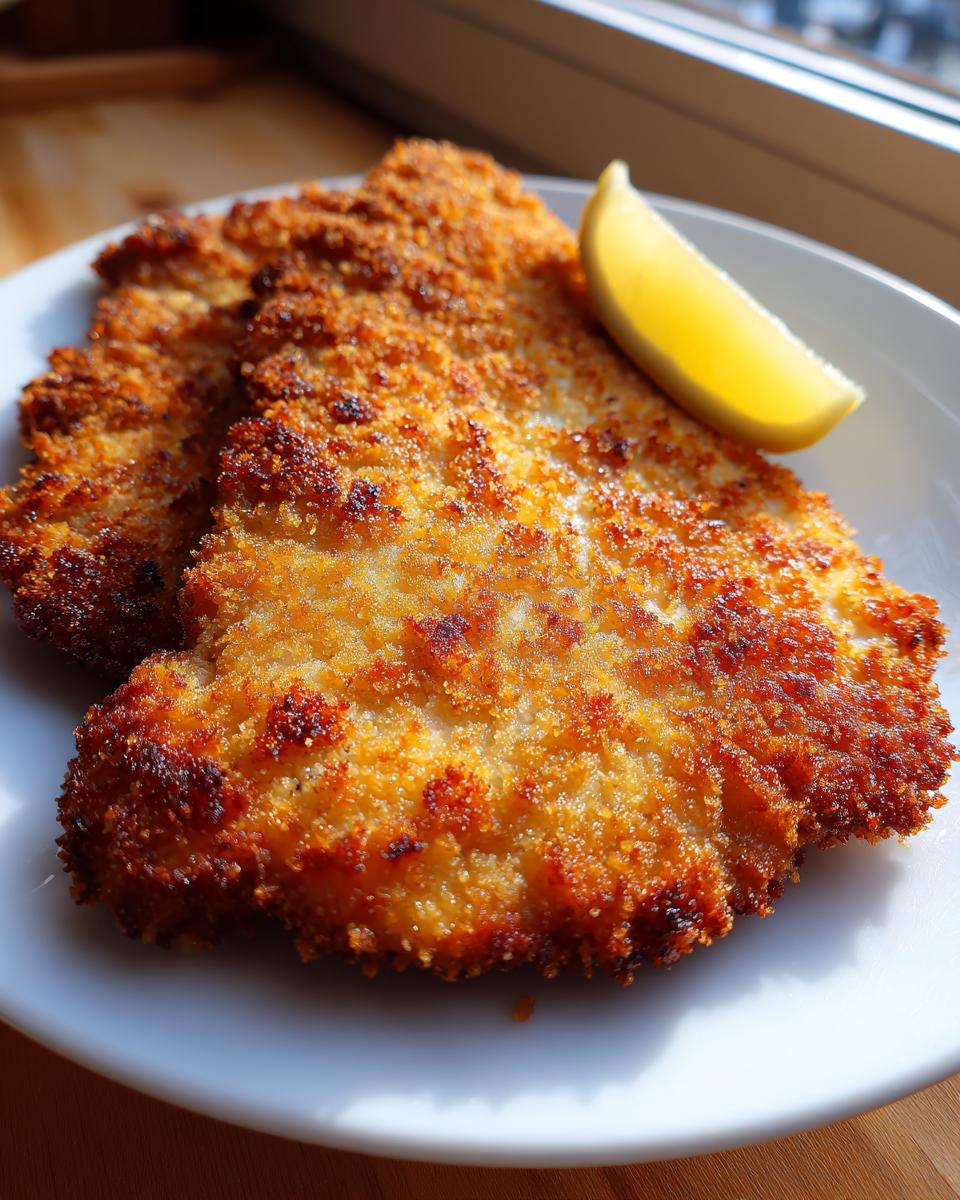
So, what’s the deal with pork versus chicken schnitzel? Honestly, both are absolutely delicious! Pork loin is what we traditionally call for in a classic schnitzel, and it gives you this wonderful, rich flavor and a tender bite. Chicken schnitzel, usually made with chicken breast, is a little lighter and cooks up super fast. If you’re feeling adventurous, you could even try it with veal cutlets – they’re incredibly tender! The great thing is, this whole breading and frying technique works beautifully no matter what protein you choose. If you want to dive into a chicken version, check out my chicken schnitzel recipe!
Serving Suggestions for Your German Main Dish
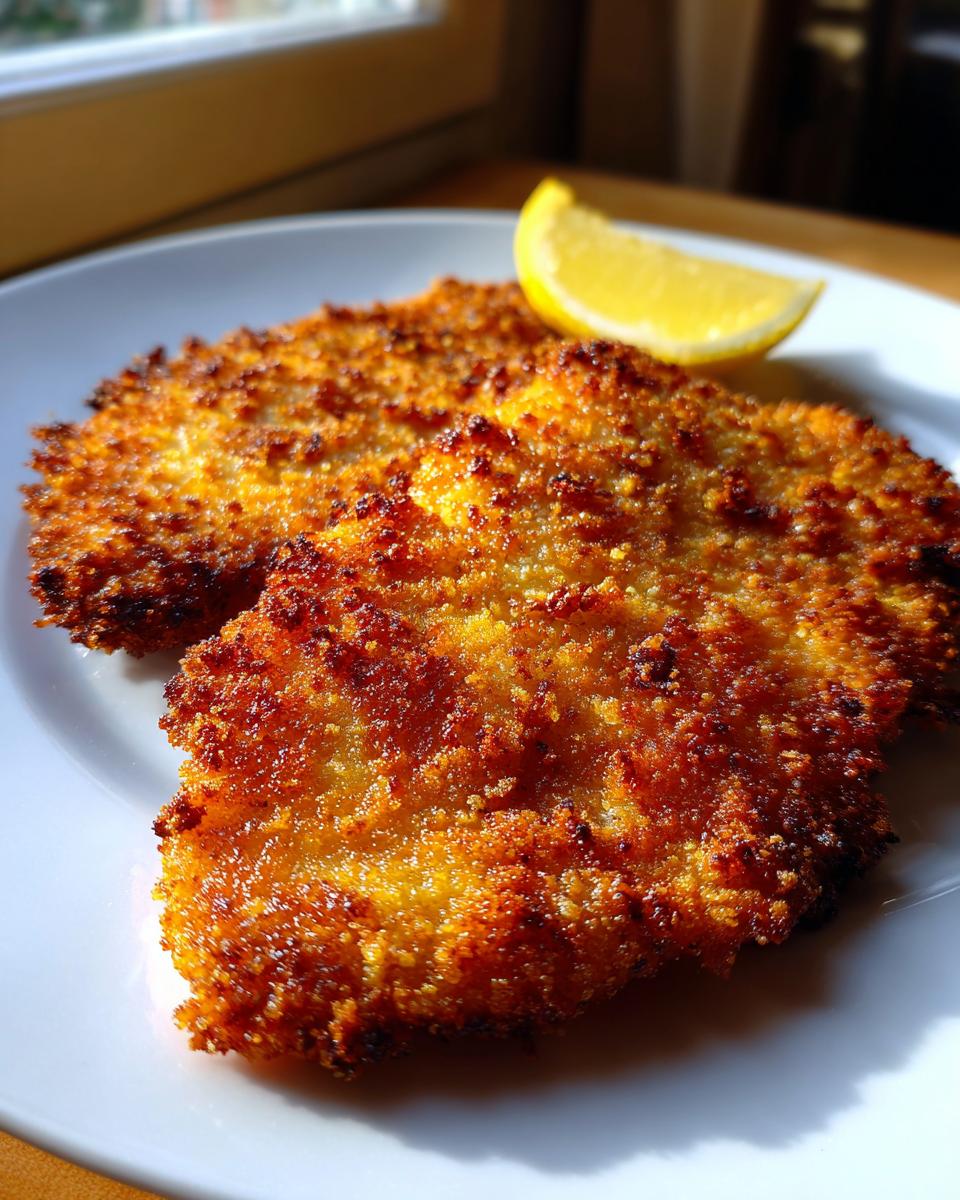
Now that you’ve got your perfectly crispy schnitzel, what are you going to serve it with? My go-to is always a big helping of creamy potato salad or some bright, zesty lemon wedges to cut through the richness. A simple green salad with a light vinaigrette is also a fantastic choice. Honestly, this dish is so versatile! For a whole bunch of amazing ideas, you should totally peek at my favorite side dishes category.

Frequently Asked Questions About Schnitzel
Got questions about making the best schnitzel? I’ve totally been there! Here are a few common ones I get:
Can I make schnitzel ahead of time?
Ah, the eternal question! Ideally, schnitzel is best enjoyed fresh and hot right after frying. The breading can get a little soggy if made too far in advance. If you absolutely must, you can pound and bread the cutlets ahead of time and keep them in the fridge for a few hours, but fry them up right before serving for that perfect crunch!
What’s the best oil for frying schnitzel?
For that classic golden-brown perfection, you want an oil with a high smoke point. Neutral oils work best so they don’t interfere with the flavor. Vegetable oil, canola oil, or even a light olive oil are great choices. Just make sure you have enough in the pan for the schnitzel to gracefully sizzle and get crispy!
How do I prevent the breading from falling off my schnitzel?
This is a common little frustration! The key is a good breading station setup and proper technique. Make sure you press the breadcrumbs firmly onto the egg-coated cutlet. Also, avoid overcrowding the pan while frying – this is super important because it keeps the oil hot and helps the breading adhere beautifully. A little press and ensuring even coating in each step usually does the trick!
How thick should schnitzel be?
For that perfect balance of tender meat and crispy coating, aim for about 1/4 inch thick. Pounding the meat thin is crucial! Too thick and it might not cook through evenly, or the breading won’t get as crispy. Too thin, and it can dry out too quickly. A nice, even 1/4 inch is your sweet spot for a fantastic schnitzel.
Estimated Nutritional Information
Just a little heads-up: these numbers are estimates, okay? The exact counts can wiggle around a bit depending on the exact brands you use and how much oil you soak up. But to give you a general idea, one serving of this amazing schnitzel typically has about 450 calories, 25g of fat, 35g of protein, 20g of carbs, 400mg of sodium, and just 1g of sugar. Enjoy!
PrintTraditional Pork Schnitzel
A classic German dish featuring thin, breaded pork cutlets fried to a golden crisp. This recipe focuses on achieving a juicy interior and a perfectly crunchy exterior.
- Prep Time: 15 min
- Cook Time: 10 min
- Total Time: 25 min
- Yield: 2 servings 1x
- Category: Main Course
- Method: Pan-Frying
- Cuisine: German
- Diet: Vegetarian
Ingredients
- 2 boneless pork loin chops, about 1/2 inch thick
- 1/2 cup all-purpose flour
- 1 teaspoon salt
- 1/2 teaspoon black pepper
- 2 large eggs
- 1 cup plain breadcrumbs
- 4 tablespoons vegetable oil, divided
- Lemon wedges, for serving
Instructions
- Place pork chops between two pieces of plastic wrap. Pound them with a meat mallet or rolling pin until they are about 1/4 inch thick.
- In a shallow dish, combine flour, salt, and pepper.
- In another shallow dish, whisk the eggs.
- Place breadcrumbs in a third shallow dish.
- Dredge each pounded pork chop first in the flour mixture, shaking off any excess.
- Dip the floured chop into the whisked eggs, ensuring it is fully coated.
- Press the egg-coated chop into the breadcrumbs, coating both sides evenly.
- Heat 2 tablespoons of vegetable oil in a large skillet over medium-high heat.
- Carefully place one or two breaded cutlets in the hot oil (do not overcrowd the pan).
- Fry for 2-3 minutes per side, until golden brown and cooked through.
- Remove the schnitzel from the skillet and place on a wire rack to drain.
- Add the remaining 2 tablespoons of oil to the skillet and repeat with the remaining cutlets.
- Serve immediately with lemon wedges.
Notes
- For extra crispiness, ensure your oil is hot enough before adding the schnitzel. You can test this by dropping a breadcrumb into the oil; it should sizzle immediately.
- Pork can be substituted with chicken breast or veal for a different variation.
- Serve with your favorite side, such as potato salad or a simple green salad.
Nutrition
- Serving Size: 1 cutlet
- Calories: 450
- Sugar: 1g
- Sodium: 400mg
- Fat: 25g
- Saturated Fat: 5g
- Unsaturated Fat: 20g
- Trans Fat: 0g
- Carbohydrates: 20g
- Fiber: 2g
- Protein: 35g
- Cholesterol: 120mg